In the absence of a globally accessible HEV vaccine, peg-IFNα-2a and ribavirin are the only effective regimen of choice for acute hepatic failure and chronic hepatitis E. However, though ribavirin induces a sustained virologic response, severe side effects and emergence of drug-resistant HEV mutants in a proportion of patients restricts its use. Therefore, designing of direct-acting or host-targeting anti-HEV agents and identifying the alternative treatment modules are highly needed.
The HEV genomic RNA encodes its largest gene (ORF1) into a nonstructural polyprotein (pORF1) defined into seven domains including helicase/NTPase. However, whether pORF1 is a multi-functional polyprotein or gets processed into individually-active small proteins, still remains contested. Because helicase is indispensable for viral RNA replication, it is considered as potential anti-HEV drug target.
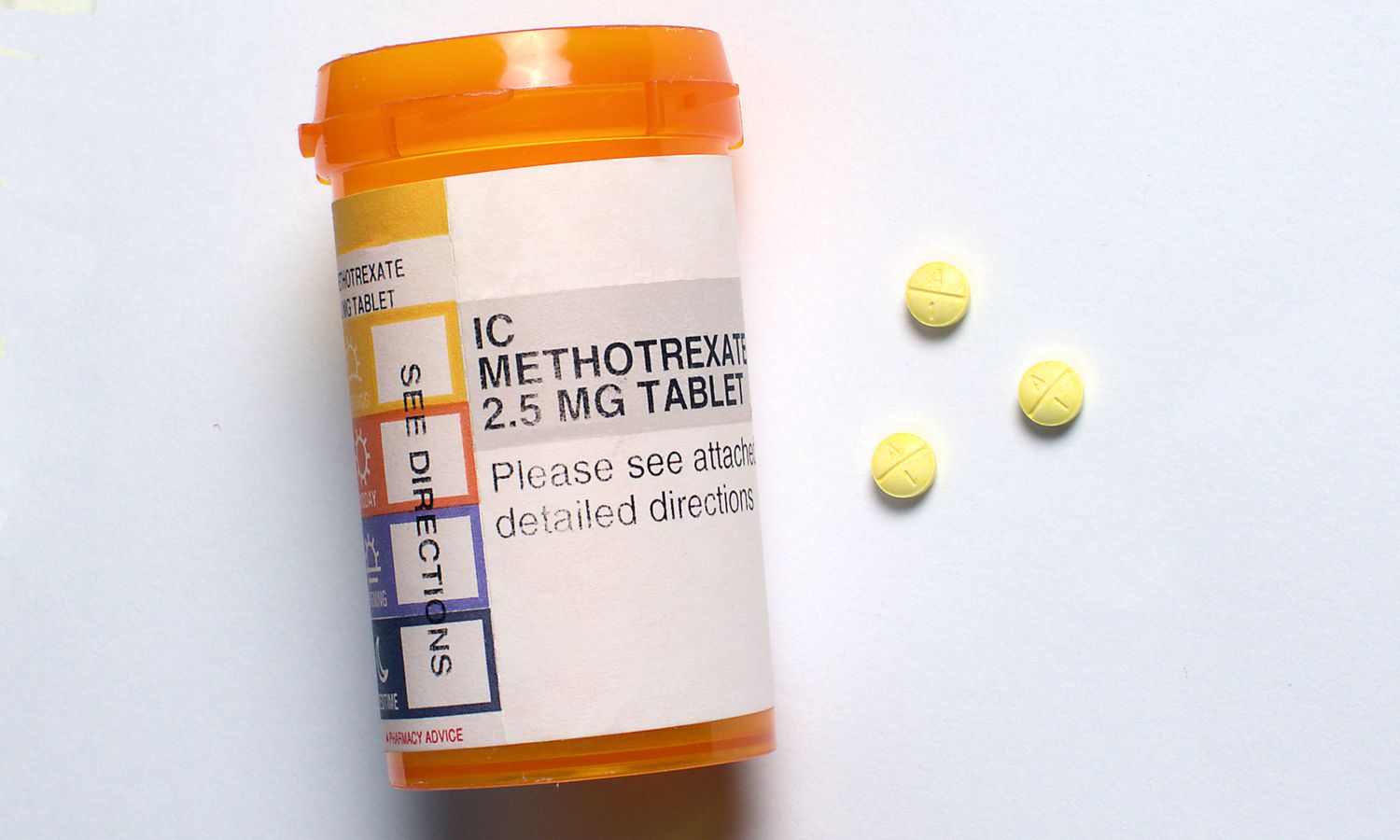
A collaborative work of Prof. Mohammad K Parvez (King Saud University, Riyadh, Saudi Arabia) and Prof. Deepak Sehgal (Shiv Nadar University, Greater Noida, India) has repurposed FDA-approved compounds from the ZINC15 database against HEV-helicase. To screen the drug candidates, in silico approaches of homology modelling and structure-based screening were performed to select top molecules, followed by in vitro (HEV-helicase expression and enzyme inhibition etc.) and in cellulo (HEV replicon-cell culture, RNA quantification and Immunofluorescence etc.) validations. Of these, methotrexate and compound A (Pubchem ID BTB07890) inhibited the NTPase and dsRNA unwinding activity leading to inhibition of HEV RNA replication. Therein, while methotrexate showed 90% reduction in viral RNA copy number, compound A reduced 50% RNA copy number. The authors therefore, suggested methotrexate as a potent anti-HEV drug that needs further validation and in vivo studies.
Read the full article recently published in J Enz Inhibit Medicinal Chem 2023 38, 2280500 (https://doi.org/10.1080/14756366.2023.2280500).