In the absence of specific antiviral regimens against hepatitis E virus (HEV) infection, PEG-IFNα-2a and ribavirin are the only available over-the-counter drugs for treating chronic hepatitis E patients. Recently FDA-approved drug methotrexate has been repurposed to shown efficient suppression HEV RNA replication via inhibition of helicase NTPase and dsRNA unwinding activities. In a newly published structure-based computational work, Parvez MK et al. have used a 3D model of HEV helicase for high-throughput screening of over 20 million small-molecules from the MCULE database.
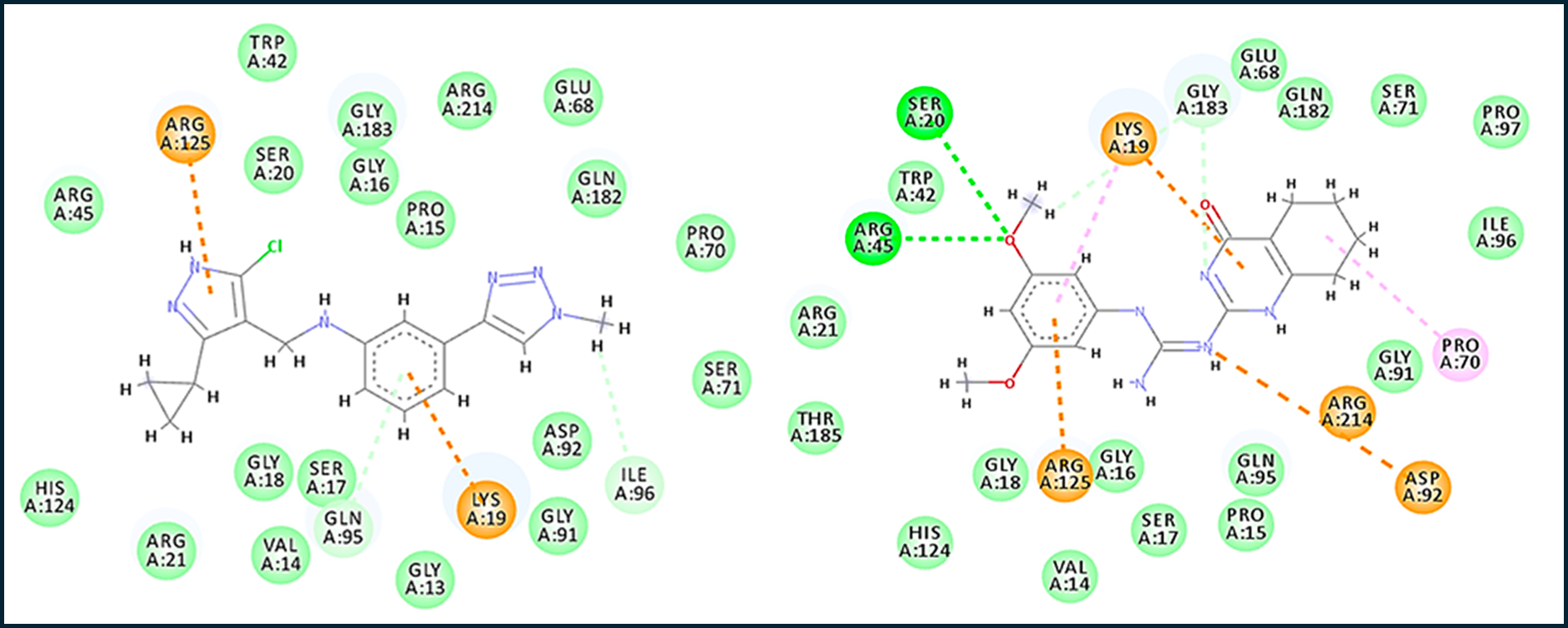
Based on their docking scores, top thirteen ligands were selected for physicochemical, drug-likeness and medicinal-chemistry analyses. Of these, two best selected ligands MCULE-3036744764-0-1 and MCULE-6712551813-0-39 were considered for further ADMET, molecular docking and MD simulation analysis with estimated docking energies in complex with helicase. In their respective complex, both molecules occupied the central cavity of the substrate binding-site of helicase, involving conventional hydrogen bonds as well as hydrophobic and electrostatic interactions. Taken together, this in silico study warrants experimental evidences towards validating MCULE-3036744764-0-1 and MCULE-6712551813-0-39 as future novel anti-HEV drugs.
Dr. Mohammad Khalid Parvez is a Professor at College of Pharmacy, King Saud University, Riyadh, Saudi Arabia.
Read the full article published in the Journal of Biological Research-Thessalon, 2026, DOI: https://doi.org/10.26262/jbrt.v33i0.10793