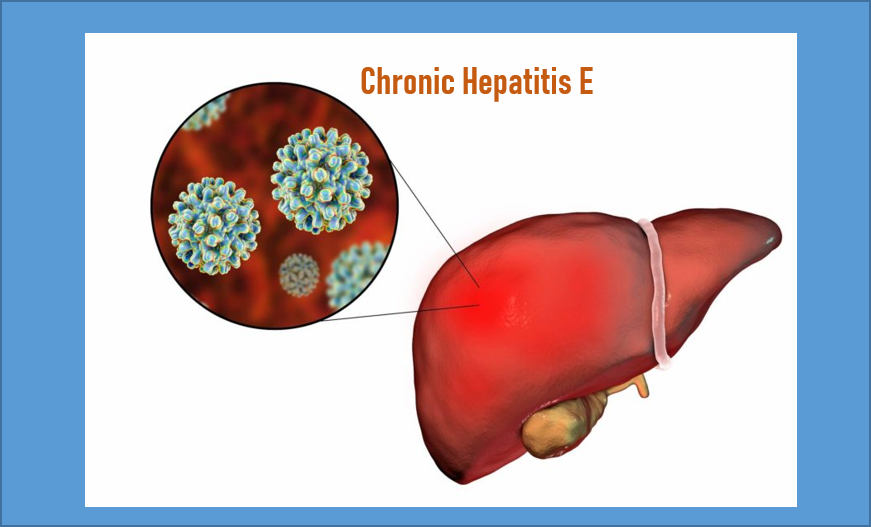
The hepatitis E virus (HEV) was initially thought to exclusively cause acute hepatitis. However, the first diagnosis of chronic hepatitis E in transplant recipients in 2008 profoundly changed our understanding of this pathogen. We have now begun to understand that specific HEV genotypes can cause chronic infection in certain immunocompromised populations. Over the past decade, dedicated clinical and experimental research has substantiated knowledge in the epidemiology, transmission routes, pathophysiological mechanisms, diagnosis, clinical features and treatment of chronic HEV infection. Nevertheless, many gaps and major challenges remain, particularly regarding the translation of knowledge into disease prevention and improvement of clinical outcomes.
A recent updated review by Prof. Zhongren Ma, Prof. Robert A. de Man, Prof. Nassim Kamar, and Dr. Qiuwei Abdullah Pan highlighted the latest developments in the understanding and management of chronic hepatitis E. More importantly, they attempted to identify major knowledge gaps and discuss strategies for further advancing both research and patient care of chronic HEV infection.

Figure. The HEV genotypes attributed to chronic infection. Orthohepevirus A (genotype 3, 4, 7) and Orthohepevirus C (HEV-C1; rat HEV) have been associated with the development of chronic hepatitis E in immunocompromised patients based on reports from different countries and regions.
The authors emphasized
“Closing these gaps in turn requires joint efforts from fundamental, translational and clinical researchers as well as health authorities to further advance HEV research and patient care.”
“The WHO has launched an initiative to eliminate viral hepatitis by 2030, but the burden of hepatitis E has not yet been recognized. Without tackling HEV, achieving the goal of eliminating viral hepatitis is impossible.”
Read the full article, entitled “Chronic hepatitis E: advancing research and patient care”, online published in the Journal of Hepatology on 21 May 2022.